Together, we solve the challenges of tomorrow.
SEE MORE →In the coastal town of Bognor Regis, the laboratory testing category encompasses the full suite of geotechnical classification and mechanical property tests performed on soil and rock samples recovered from ground investigations. These controlled analyses transform disturbed and undisturbed samples into quantifiable engineering parameters, including particle size distribution, plasticity characteristics, shear strength, and compressibility. For a region characterised by its complex superficial deposits and a high water table, relying solely on visual descriptions or assumed values introduces unacceptable risk into foundation design and earthworks specification.
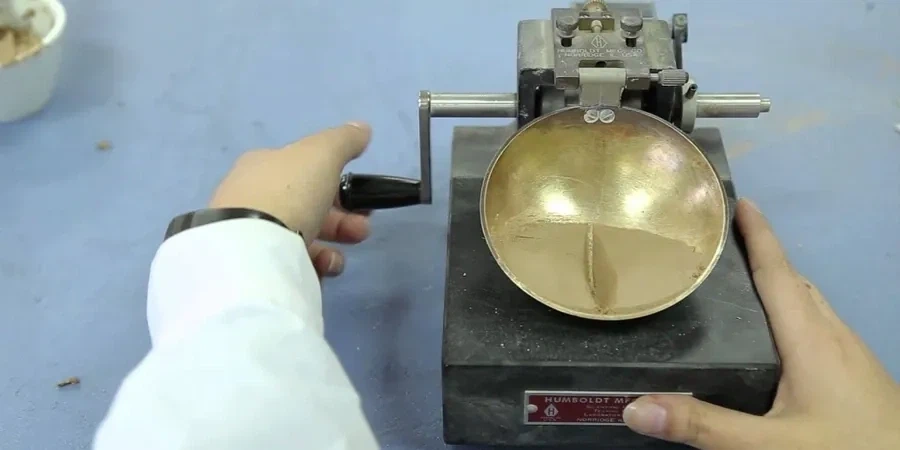
The local geology is dominated by the Brickearth and River Terrace Deposits overlying the Cretaceous Chalk of the Southern Province. The Brickearth, a silty loess-like material, is notoriously difficult to characterise in the field due to its metastable structure and potential for collapse upon wetting. Accurate laboratory determination of its fines content and plasticity is critical, making tests such as Atterberg limits essential for identifying its behaviour. Similarly, the underlying Chalk can vary from a weak rock to a structureless putty, requiring careful laboratory assessment of its intact dry density and saturation moisture content to predict pile shaft friction accurately.
All laboratory testing conducted for projects in Bognor Regis must comply with the relevant British Standards, primarily BS 1377 for soils and BS EN ISO 17892 for geotechnical investigation and testing, which has superseded parts of the older standard. These norms dictate strict procedures for sample preparation, test execution, and reporting, ensuring results are repeatable and legally defensible. For contaminated land assessments, which are common on brownfield sites along the coast, the laboratory must also operate under the MCERTS performance standard for the chemical testing of soils, providing regulatory confidence to the Environment Agency.
This category of testing is a mandatory requirement for virtually all construction and infrastructure projects in the area, from residential extensions to major coastal defence works. A thorough grain size analysis (sieve + hydrometer) is fundamental for designing drainage systems and assessing the liquefaction potential of saturated sands during the seasonal storms that impact the Sussex coastline. Whether it is for determining the California Bearing Ratio for a new access road on the Barnham soils or establishing the undrained shear strength for a retaining wall near the seafront, the laboratory provides the numerical data that underpins safe and economical civil engineering.
The primary standard is BS 1377:2022 for soil classification and compaction tests, alongside BS EN ISO 17892 for advanced geotechnical properties like shear strength and consolidation. These are often specified together to ensure full compliance with UK practice, with the Eurocode-aligned EN ISO standards being essential for structural design parameters used in foundation engineering.
Field descriptions are qualitative and cannot reliably distinguish between materials like silty clays and clayey silts, which have vastly different engineering behaviours. Laboratory tests such as particle size distribution and plasticity index provide the quantitative data needed to apply standardised design methods and select appropriate earthwork specifications, directly impacting project safety and cost.
The presence of Brickearth deposits requires specific collapse potential testing, while the Chalk necessitates careful saturation and density measurements to assess its putty-grade behaviour. The high groundwater and tidal influence also mean that effective stress parameters from triaxial testing are often crucial for long-term stability analysis of coastal and flood defence structures.
A standard classification suite, including moisture content, Atterberg limits, and a combined sieve and hydrometer analysis, typically requires 5 to 7 working days from sample receipt. This timeframe accounts for the necessary oven-drying and sedimentation stages. Expedited testing is often available but depends on the laboratory's current schedule and the specific soil types being analysed.
We serve projects across Bognor Regis and surrounding areas.